About Us

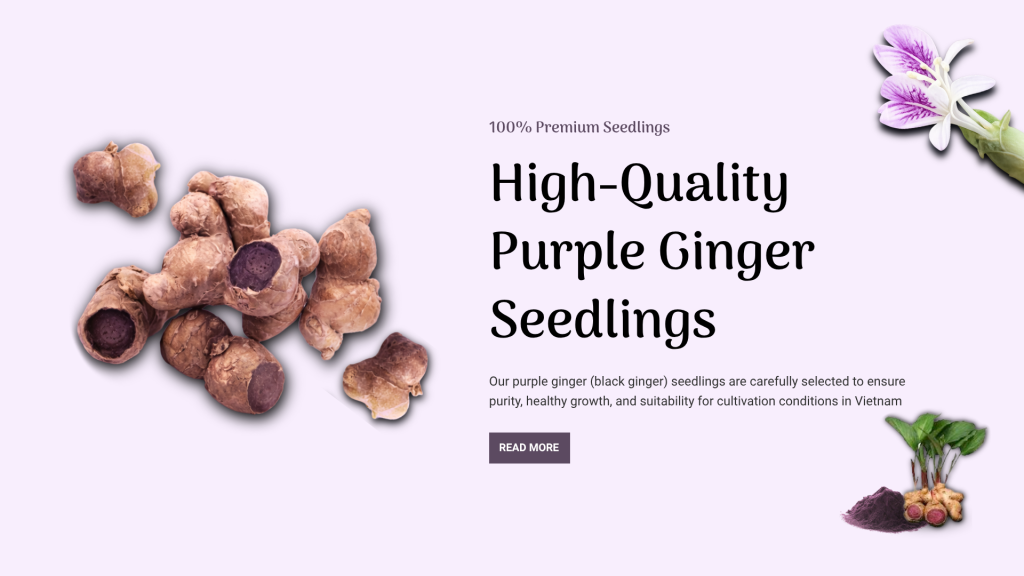
Purple Ginger Cultivation Area – Premium Medicinal Herb for Health

Black ginger cultivation areas play a crucial role in determining the quality and value of this medicinal herb. Black ginger (also known as black turmeric) thrives in loose, well-drained, nutrient-rich soils, along with stable climatic conditions and high humidity.

When grown in suitable ecological regions, the plant not only delivers stable yields but also ensures a high concentration of key bioactive compounds, thereby enhancing its overall medicinal value.

Selecting the right cultivation areas, combined with high-quality black ginger varieties, forms a solid foundation for sustainable medicinal development. At the same time, it helps meet the increasing demand for natural, safe, and health-oriented products.

Read more

Black ginger

Popular varieties of Purple Ginger
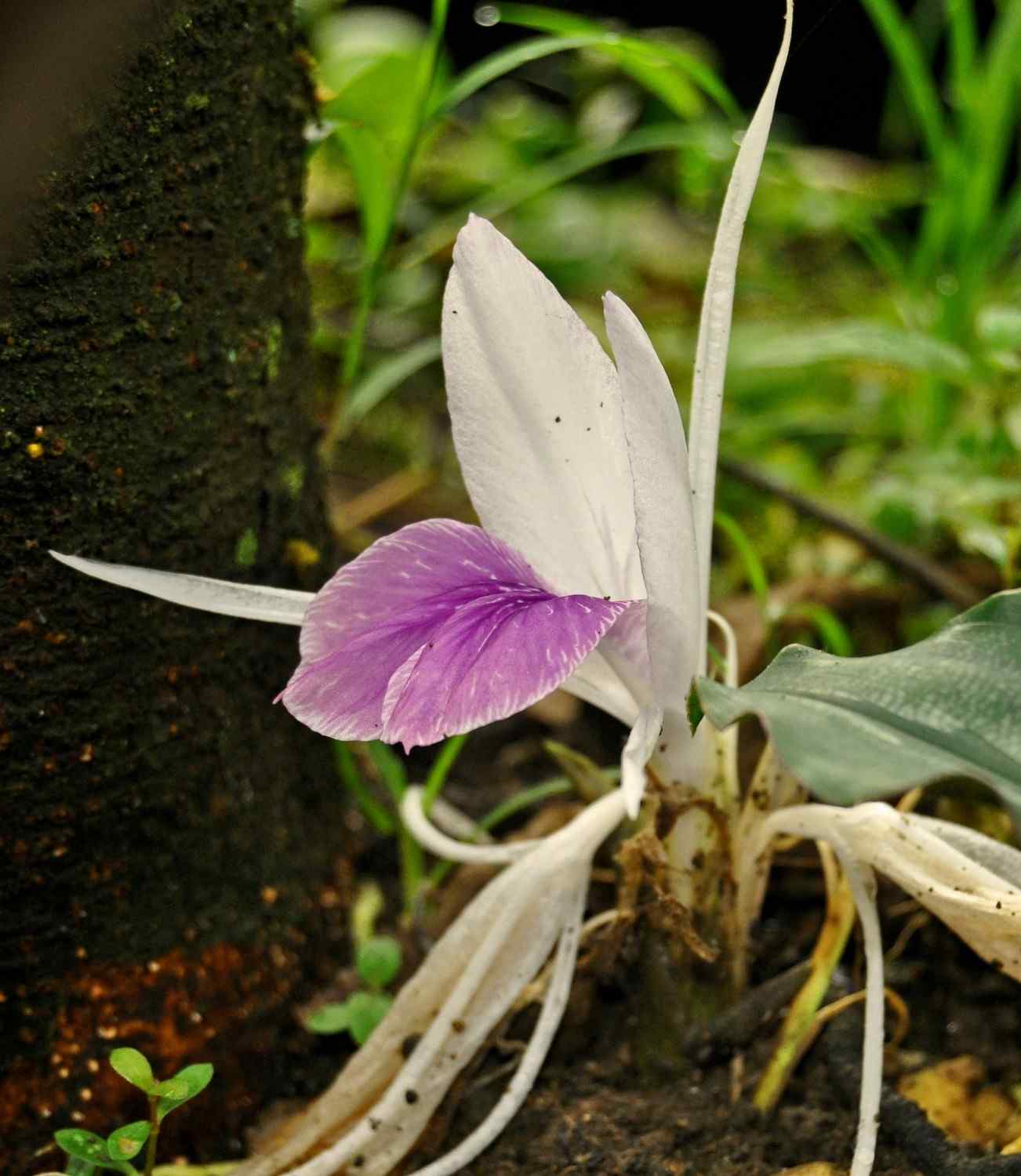
Thai black ginger

(Kaempferia parviflora)

See details

Black Ginger

(Distichochlamys citrea)

See details
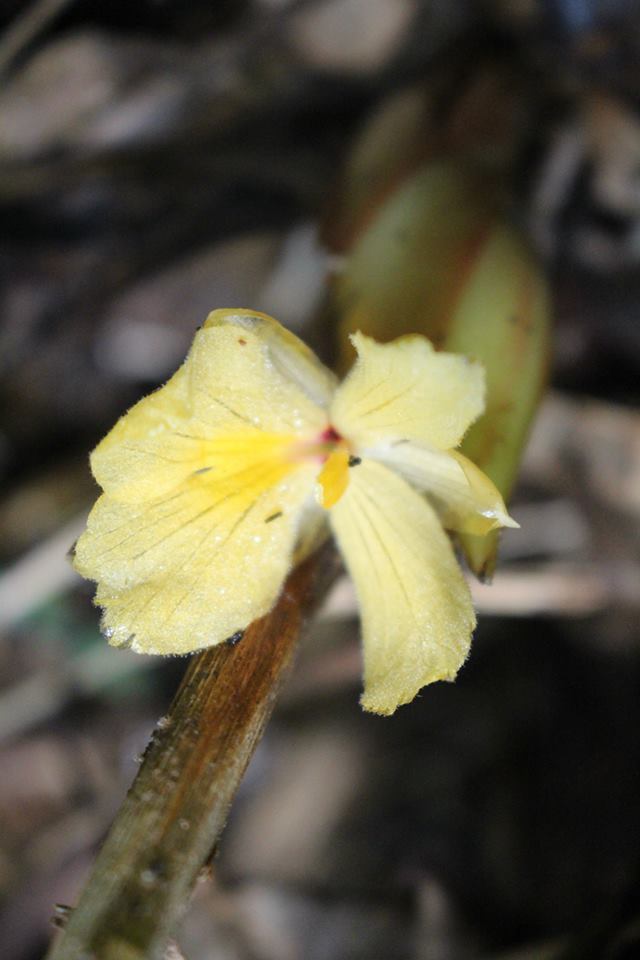
Orlow’s Black Ginger

(Distichochlamys orlowii)

See details
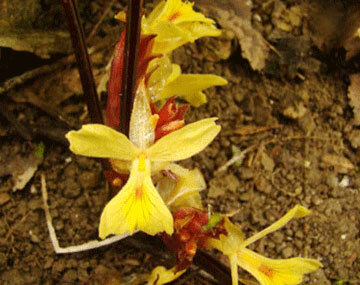
Benenica Black Ginger

(Distichochlamys benenica)

See details
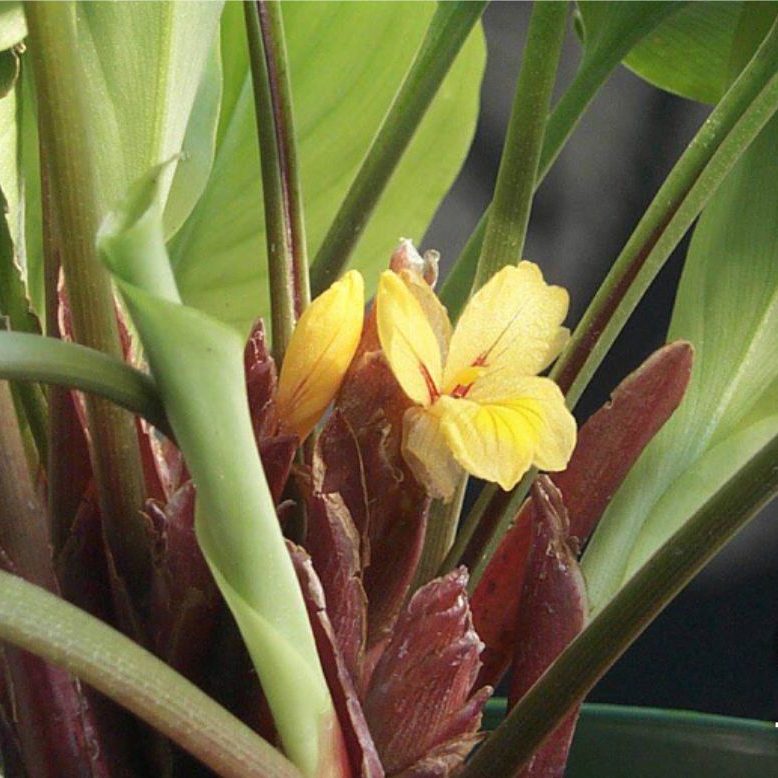
Red-striped Distichochlamys

(Distichochlamys rubrostriata)

See details

Health Benefits of Black Ginger

Black Ginger – A Promising Medicinal Herb of the Future

Antioxidant & Cellular Protection

Rich in powerful antioxidants that help neutralize free radicals, protect cells, and support the prevention of age-related issues.

Antibacterial & Anti-inflammatory Support

Contains active compounds such as 5,7-dimethoxyflavone, known for antibacterial, antifungal, and anti-inflammatory properties, while also supporting blood circulation and overall vitality.

Digestive Support

Helps improve digestion, reduce bloating, enhance nutrient absorption, stimulate intestinal motility, soothe the stomach, and support energy metabolism.

Chống oxy hóa & bảo vệ tế bào

Supports the body’s energy metabolism, helps regulate fat levels, and assists in maintaining a healthy weight when combined with a balanced lifestyle.

News & Articles

Latest articles & Blog posts

What are natural cosmetics? Advantages of natural cosmetics?

There is no official definition of natural cosmetics; however, certain requirements must be met before a product can be considered a natural cosmetic. I. Understanding Natural Cosmetics 1.1 What Are Natural Cosmetics? Natural Cosmetics Natural cosmetics are products made primarily from ingredients of natural origin rather than synthetic ones. Most [...]

Fermented Spirulina Serum – Building Naturally Healthy Skin

In the search for safe, sustainable, and effective beauty solutions, Spirulina has become a popular “super-ingredient” worldwide. Besides being a valuable nutritional supplement, this microalgae is also rich in bioactive compounds – especially when used in skincare serums. I. Why Spirulina Is Ideal for Skincare? What sets Spirulina apart is [...]

What are Natural Extracts? Applications of Natural Extracts in Cosmetics

In the modern cosmetic industry, natural extracts are gaining popularity as a highly favored trend, thanks to their superior safety and effectiveness. Sourced from natural plants, animals, and minerals, these natural extracts not only bring wonderful benefits to the skin but are also environmentally friendly. So, what are natural extracts [...]

Understanding Natural Extraction Processes and Technologies in Cosmetics

Natural extracts play a vital role in creating safe and effective ingredients for modern cosmetics. This process not only helps maximize the valuable nutrients derived from plants but also reflects the level of research, technology, and quality control of each manufacturing unit. So, how is the natural extraction process carried [...]

What is a Hydrosol? Uses, Benefits, and the Difference from Essential Oils

What is a hydrosol? This is a common question for many who are starting to learn about essential oils and natural products. More than just “plant water,” a hydrosol offers numerous benefits for skincare, relaxation, and daily use. Notably, it is considered a gentler and safer alternative to pure essential [...]

The Ultimate Guide to Understanding Conventional, Natural, Organic, and Clean Cosmetics

In the world of beauty, concepts such as natural, organic, and clean beauty are gaining increasing prevalence. However, not everyone fully understands the difference between these cosmetic categories, which can lead to choosing the wrong products for their skin. If you are also wondering how conventional, natural, organic, and clean [...]

7 Common DIY Skincare Mistakes When Making Homemade Cream and How to Fix Them

DIY skincare has become a beloved trend, offering a sense of creativity, control, and peace of mind regarding ingredients. However, without a solid understanding of basic cosmetic formulation, homemade products can easily separate, spoil quickly, or even cause skin irritation. In this article, NACOS will guide you through the 7 [...]

Preservatives in Cosmetics: What You Really Need to Know

When hearing the term “preservatives in cosmetics”, many people instinctively feel concerned. Some believe that cosmetics with preservatives are harmful, while others think preservative-free means safe. But is that really the truth? In reality, preservatives are essential ingredients that keep cosmetic products stable, safe, and long-lasting. 1. Why Cosmetics Spoil Easily [...]

7 Key Criteria for Evaluating the Stability of a Cosmetic Formula

Have you ever experienced this? A newly formulated cosmetic product may appear perfect at first, but after just a few weeks, it begins to separate, change color, or develop an unusual odor. It’s a common scenario, especially for those new to cosmetic formulation or for small natural beauty brands. The [...]

What Is a Cosmetic Base? The Essential Element Behind an Effective Skincare Formula

When evaluating the effectiveness of a cosmetic product, most people immediately think of the active ingredients – the “stars” often highlighted in marketing campaigns, such as Vitamin C, Retinol, or Niacinamide. But here’s the truth: actives make up only 1–10% of a formula. The remaining 70–90% is the cosmetic base [...]